The role of distribution in the channel go-to-market model is indisputable, but its value and contributions are often questioned among vendors – particularly those outside channel management teams.
That paradox was revisited at the Global Technology Distribution Council (GTDC) North America Summit in Oceanside, California, where finance leaders from leading distributors – Arrow Electronics, Exclusive Networks, Ingram Micro, and TD SYNNEX – joined vendor channel leaders to examine the economics of the channel model.
At the third annual Finance Forum, facilitated by Channelnomics, the discussion focused on what some executives privately call the “distribution tax” – the perception that working through distribution adds cost without delivering proportional value – as well as how to properly calculate the return on distribution investment (RODI).
While the expense of distribution – the so-called “distribution tax” – fuels doubt, the evidence and experience of vendors across the industry suggest otherwise.
Distribution finance leaders emphasized that distribution operates on razor-thin margins – typically in the 1% to 3% net range. Those margins reflect significant investments in logistics, credit, enablement, aggregation, and operational efficiency that vendors would otherwise have to build and manage themselves.
Still, skepticism remains inside some vendor organizations. Finance teams scrutinize line items and ask what they're receiving in return. The answer, according to summit participants, lies in math and measurable efficiency. Distribution reduces operational complexity, accelerates time to market, improves working capital dynamics, and expands reach into partners that vendors may struggle to support directly.
Broader market performance reinforces the point. Despite periodic doubt about its relevance, distribution continues to expand, with year-to-date growth of roughly 10%. That growth reflects ongoing demand for scale, specialization, and financial intermediation in an increasingly complex technology ecosystem.
The conversation at the summit made clear that the issue isn't whether distribution adds value but whether that value is consistently articulated in financial terms that executives understand.
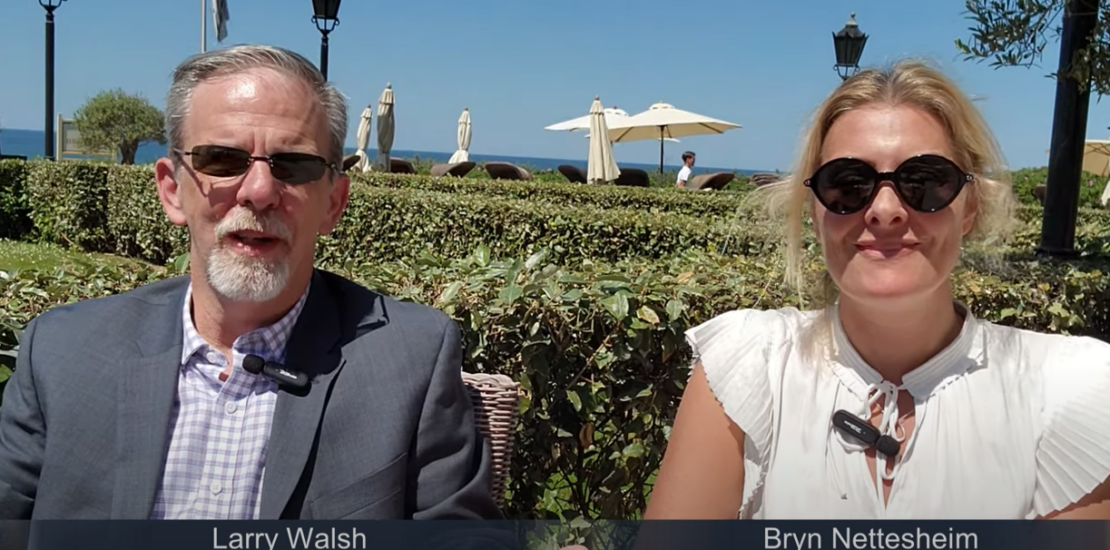
Channelnomics’ Larry Walsh and Amy Henderson, along with special guest Lori Cornmesser, break down the issue in the latest installment of Channelnomics In the Margins from the GTDC North America Summit.